
If you own property outside the state where you currently live, you may have wondered, “Can I sell my land to another state?” The answer is yes. Whether you inherited vacant land, purchased it as a long-term investment, or moved away years ago, you can legally sell your property without living in the same state.
Key Takeaways
- You can legally sell land in another state.
- Most sales can be completed remotely.
- Proper pricing attracts more buyers.
- Know the legal and tax requirements before selling.
Thanks to online communication, digital paperwork, and professional title companies, selling land across state lines is much easier than it was in the past. In many cases, you can complete the entire land sale process from the comfort of your home, without having to go anywhere. This guide explains how an out-of-state land sale works, what to expect during the process, and a few practical tips to help you avoid unnecessary delays.
Is It Legal to Sell Land Located in Another State?
Yes, it is completely legal. If you’re wondering, “Can I Sell My Land to Another State?” the answer is yes. Your right to sell land depends on ownership, not on where you live. As the legal owner, you can sell your property even if you currently reside in a different state.
However, every state has its own real estate laws. The sale must follow the legal requirements of the state where the land is located, including title transfer, closing documents, taxes, and recording procedures. Working with a local title company or real estate attorney can help ensure the transaction is completed smoothly and in compliance with state regulations.
How Does the Process Work?
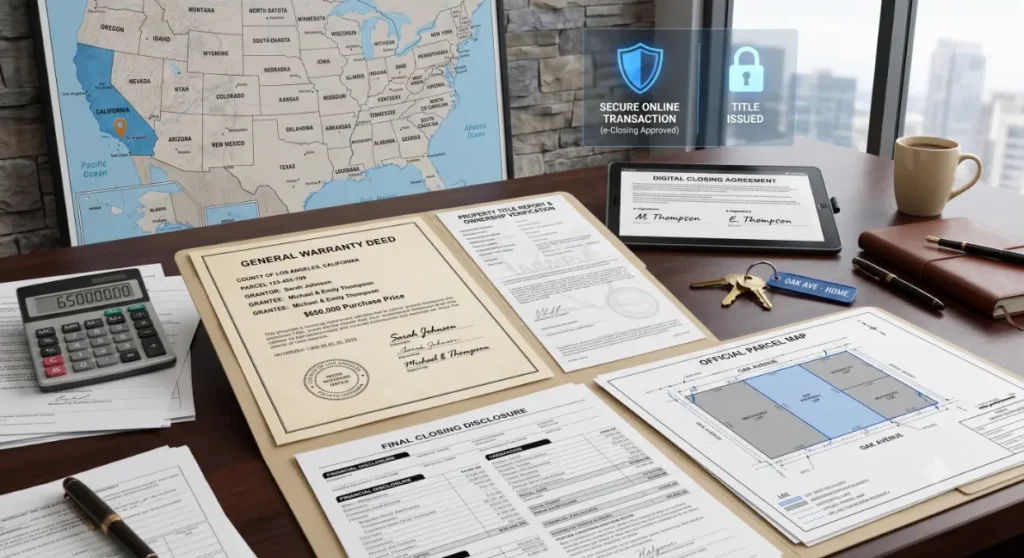
Selling land in another state follows a process similar to selling local property, with a few additional considerations. Gather Your Property Information Before listing the land, collect important documents such as:
• Property deed
• Parcel number
• Property tax records
• Survey, if available
• HOA information, if applicable
Having these records ready helps buyers verify the property quickly and can speed up the closing process.
Determine the Market Value of the Land
Before selling land, it is crucial to have an accurate idea of its current market value. Setting the right price makes it easier to attract buyers at a competitive rate and increases the likelihood of a sale. Compare recent land sales in the area, review local market trends, or request offers from reputable land-buying companies.
Several factors can influence the value, including:
• Property location
• Size and acreage
• Road access
• Utility availability
• Zoning regulations
• Future development potential
Setting a reasonable and competitive price increases the likelihood of receiving a quick offer from the right buyer.

Choose the Right Selling Method
There are several ways to sell land located in another state.
| Selling Option | Best For |
| Real estate agent | Maximum market exposure |
| Online land marketplaces | Reaching individual buyers |
| Cash land buyers | Fast and convenient sales |
| Real estate investors | Vacant or difficult-to-sell land |
The best option depends on whether your priority is achieving the highest possible price or completing the sale quickly.
Can the Entire Sale Be Completed Remotely?
In many situations, yes. Modern real estate transactions rarely require sellers to travel. Documents can often be signed electronically or through a mobile notary. Title companies coordinate the paperwork, while escrow services safely handle the payment.
Depending on state laws, the closing may include:
• Electronic signatures
• Overnight document delivery
• Remote notarization (where permitted)
• Wire transfer of sale proceeds
This makes selling land from another state both convenient and efficient.
Also Read: Can I Sell My Land to Travellers?
Are There Any Taxes to Consider?
After selling the land, certain tax-related liabilities may arise depending on your personal circumstances. Generally, the factors that need to be considered are:
• Capital gains tax if the property increased in value
• State-specific transfer taxes or recording fees
• Possible reporting requirements based on the property’s location
Because tax laws vary, speaking with a qualified tax professional before completing the sale is always a wise decision.
Common Challenges
When Selling Out-of-State Land Although the process is generally straightforward, a few issues can slow down the transaction. Some common challenges include:
• Missing ownership documents
• Unpaid property taxes
• Boundary or survey disputes
• Probate issues for inherited land
• Unknown zoning restrictions
Addressing these matters before listing your property can help prevent delays later.
Tips for a Smooth Out-of-State Land Sale
If you’re asking, “Can I sell my land to another state?”, Following these simple tips can make the entire process of selling land easier and hassle-free:
- Verify that your ownership records are accurate.
- Keep property taxes up to date.
- Organize all important documents before listing.
- Work with an experienced title company.
- Respond promptly to buyer questions.
- Compare multiple offers before making a decision.
- Understand all closing costs before signing.
Preparation often leads to a faster and less stressful transaction.
Final Thoughts
Can I sell my land in another state? Certainly. You can legally sell your land even if you are lived in a different state. By following the necessary documentation and local regulations, the entire sales process can easily be completed remotely.
Also Read:http://can i sell my land to the bank
With today’s technology and professional closing services, many landowners complete the entire process without ever visiting the property. The key is to understand the legal requirements, gather your paperwork, price your land fairly, and choose the selling method that best fits your goals.
Whether you decide to work with a real estate agent, list your property online, or accept a cash offer, careful preparation can help make the transaction smooth and successful. Selling land across state lines may seem complicated at first, but with the right guidance, it can be a straightforward process that allows you to move forward with confidence.

e liable for Capital Gains Tax on any profit made from the sale, as well as certain state-specific fees. It is advisable to consult a tax expert for accurate information. Consult a tax professional for advice. What documents do I need to sell land in another state? Most sellers need the property deed, parcel number, tax records, and any available survey or HOA documents. Having these ready can help speed up the closing process.
Frequently Asked Questions
Can I Sell My Land to Another State without traveling?
Yes. If you’re wondering, “Can I Sell My Land to Another State?”, the good news is that you usually don’t need to travel. Many out-of-state land sales are completed remotely using electronic documents, title companies, mobile notaries, and secure wire transfers.
Is a real estate agent required to Can I Sell My Land to Another State?
No, hiring a real estate agent is not mandatory. You can choose to work with an agent, find a buyer on your own, or sell directly to a cash land buyer, depending on your preferences and goals.
How long does it take to sell land located in another state?
The timeline depends on the buyer, document verification, title review, and the legal procedures of the state where the property is located. In most cases, cash transactions are completed faster than financed sales.
Is tax payable after selling the land?
Taxes may apply depending on your situation. If you earn a profit from the sale, you may be subject to Capital Gains Tax and certain state-specific fees. For accurate guidance, it is best to consult a qualified tax professional before completing the transaction.
What documents do I need to Can I Sell My Land to Another State?
To Can I Sell My Land to Another State?, most sellers typically need the property deed, parcel or tax identification number, property tax records, and any available survey or HOA documents. Having these records ready can help speed up the closing process and reduce delays.