
Selling land is a significant financial decision, and many property owners wonder, “Can I sell my land without a lawyer?” The good news is that the answer is often yes. In many states, you can legally complete a land sale without hiring an attorney. However, the process depends on your state’s real estate laws, the complexity of the transaction, and whether the property’s title is clear.
Key Takeaways
- You can often sell land without a lawyer if your state’s laws allow it.
- A clear title and complete paperwork help ensure a smooth sale.
- Title or escrow companies can often manage the closing process.
- Consult a lawyer if the sale involves legal or ownership issues.
For straightforward land sales, many buyers and sellers rely on a title company or escrow company to handle the paperwork and closing. Still, understanding your legal responsibilities is essential to avoid costly mistakes. In this guide, Sohum Financial Solutions explains when you can sell land without a lawyer, the steps involved, potential risks, and how to complete the transaction with confidence.
Can I Sell My Land Without a Lawyer?
Yes, in many situations, you can sell land without legal representation. If you’re asking, “Can I sell my land without a lawyer?”, Your ability to sell land without a lawyer is primarily determined by the real estate laws that apply in the state where the property is located. The legal process for selling land varies from state to state.
Also Read: Can I Sell My Land to Government?
In some places, the law requires the presence of an attorney, while in others, the entire transaction can be completed through a title company or an escrow agent. If your sale is simple—for example, vacant land with a clear title, one owner, and a cash buyer—you may not need a lawyer. However, it’s always wise to confirm your state’s requirements before moving forward.
When Can You Sell Land Without a Lawyer?
Selling land without a lawyer is generally easier when the transaction is straightforward. Selling your land without a lawyer is often possible when:
1.The land has a clear ownership history, and no one else is claiming legal rights to it.
2.There are no liens, outstanding debts, or legal encumbrances against the property that could create complications in the sale process.
3.You’re selling vacant land without structures or tenants.
4.The buyer is paying in cash.
5. Both parties agree on the purchase terms.
6.A title or escrow company is managing the closing process.
In these situations, professional closing services can often prepare the necessary documents and ensure the ownership transfer is completed correctly.
When Should You Hire a Lawyer?
Although many sellers successfully complete transactions without legal assistance, some situations require additional guidance.
Consider consulting a real estate attorney if:
• The property has multiple owners.
• The land is inherited through probate.
• There are boundary or easement disputes.
• Liens or unpaid taxes exist.
• The property is part of a divorce settlement.
• The sale involves commercial or investment property.
• You have concerns about the purchase agreement.
A lawyer can help resolve legal issues, review contracts, and protect your interests if the transaction becomes complicated.
Documents You’ll Need to Sell Your Land
Even if you decide not to hire a lawyer, having the right paperwork ready is essential. Preparing these documents in advance can help keep the sale organized and minimize delays during the closing process.
• Property deed
• Government-issued identification
• Purchase and sale agreement
• Property tax records
• Survey or legal property description (if available)
• Mortgage payoff information (if applicable)
• Title documents
• Closing paperwork
The sales process may vary depending on the laws of the state where your land is located. In some states, the involvement of an attorney is required, whereas in many others, title companies or escrow agents handle the necessary documentation and the closing process.
How to Sell Land Without a Lawyer
If you’ve been asking yourself, “Can I sell my land without a lawyer?”, If you’re unsure about your property’s value, consider hiring a professional appraiser for an accurate estimate.
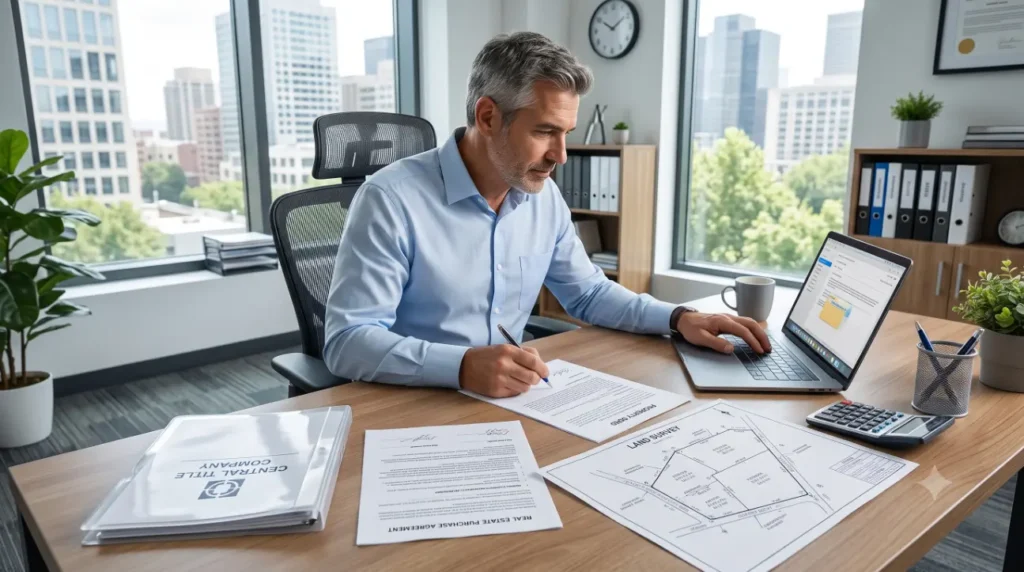
2. Gather Your Documents Collect the deed, tax information, title records, and any other documents related to your property.
3. Find a Buyer You can market your land online, work with a real estate agent, or sell directly to a land-buying company or private buyer.
4. Negotiate the Sale Agree on the purchase price, payment method, closing timeline, and any conditions before preparing the purchase agreement.
5. Sign the Purchase Agreement Both parties should carefully review and sign a written agreement outlining the terms of the sale.
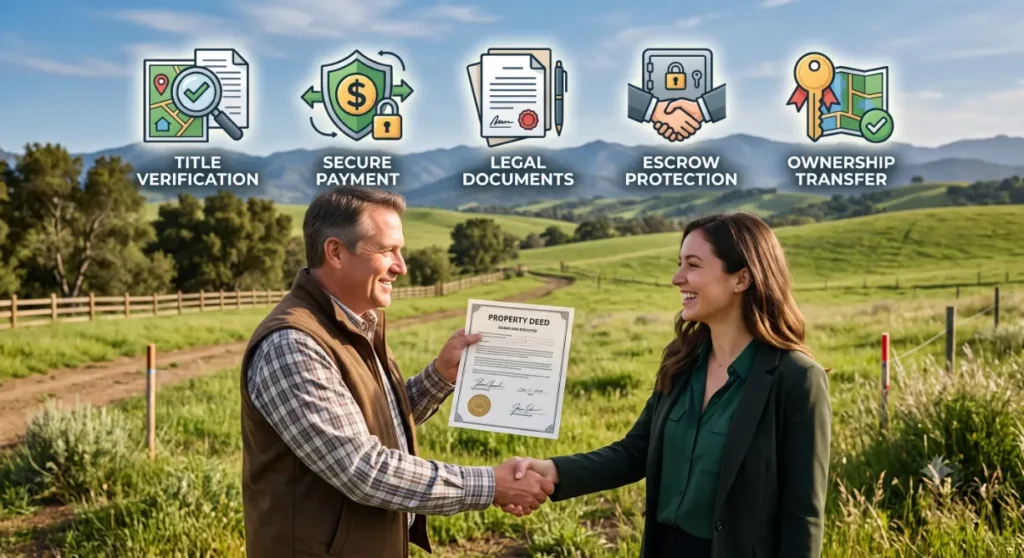
6. Complete the Closing A title or escrow company can verify ownership, process the paperwork, collect funds, and record the deed transfer according to local requirements.
7. Receive Payment Once the closing is complete and ownership has officially transferred, you’ll receive the agreed payment.
Risks of Selling Land Without a Lawyer
While many land sales are completed without legal representation, there are risks you should understand. Some common challenges include:
• Incorrect or incomplete paperwork
• Title defects that delay closing
• Contract misunderstandings
• Boundary disputes
• Fraudulent buyers
• Missed legal disclosures
• Unexpected tax obligations Taking time to verify documents and work with experienced closing professionals can significantly reduce these risks.
How to Protect Yourself During the Sale?
If you’re planning to sell land on your own, these simple precautions can help protect your interests:
• Verify the property’s title before listing it.
• Use a detailed written purchase agreement.
• Choose a trusted title or escrow company to manage the closing process and handle the required paperwork.
• Keep copies of every signed document.
• Confirm the buyer’s identity and payment method.
• Take time to understand the real estate laws and closing requirements in your state.
• If any unexpected legal issues arise, consult a qualified real estate attorney for guidance.
A little preparation can prevent expensive problems later in the process.
Conclusion
So, can I sell my land without a lawyer? In many cases, yes. If your property has a clear title and the transaction is straightforward, you may be able to complete the sale without hiring an attorney. Title companies and escrow professionals often handle the closing process efficiently, helping both buyers and sellers complete the transaction. However, every property sale is unique. Before moving forward, make sure you understand your state’s legal requirements and gather all the necessary documents. If your sale involves legal complications, seeking professional advice can provide valuable peace of mind and help protect your investment.
Frequently Asked Quation
1. Can I Sell My Land Without a Lawyer?
Yes. Can I Sell My Land Without a Lawyer? In many states, the answer is yes. However, some states require an attorney to be involved during the closing process, so it’s important to check your local real estate laws before selling.
2. Do I Need a Lawyer to Sell Vacant Land?
Not necessarily. If you’re asking, “Can I Sell My Land Without a Lawyer?”, vacant land with a clear title can often be sold through a title company or escrow company without legal representation.
3. What Documents Are Required to Sell Land Without a Lawyer?
If you plan to sell your land without a lawyer, you’ll typically need the property deed, purchase agreement, title records, government-issued identification, property tax information, and any required disclosures. Before listing your property, it’s also a good idea to determine its current market value by reviewing recent local land sales or consulting a professional appraiser.
4. Is Selling Land Without a Lawyer Risky?
Can I Sell My Land Without a Lawyer? Yes, but there can be risks if the transaction involves title defects, legal disputes, or contract errors. Simple sales with proper documentation and professional closing services generally involve fewer risks.
Also Read: Can I Sell My Land to the City?