
How do I sell my land to a developer? Explore the process, key steps, and practical tips to achieve a successful land sale.As cities expand and new neighborhoods, shopping centers, and business parks continue to grow, developers are constantly searching for land with development potential. If your property is in the right location, selling to a developer could result in a higher return than selling to a traditional buyer.
Key Takeways:
- Know your land’s true value.
- Prepare all property documents.
- Target the right developers.
- Review every offer carefully.
However, selling land to a developer isn’t the same as selling a home. Developers evaluate properties based on zoning, infrastructure, future growth, and investment potential rather than emotional appeal. Understanding what they look for can help you prepare your property, negotiate confidently, and maximize your sale price.
In this guide, you’ll learn how the process works, what developers consider before making an offer, and practical steps to help you sell your land successfully.
developer can become a rewarding opportunity that unlocks the full value of your property.
Why Would a Developer Want Your Land?
If you’re wondering, “How Do I Sell My Land to a Developer?” it’s important to understand what developers look for before making an offer. Developers are always searching for land that supports future growth. Their goal is to find properties where new construction can generate long-term value. Rather than focusing on the property’s current appearance, they carefully evaluate its location, accessibility, zoning regulations, surrounding infrastructure, and nearby development activity.
Your land may attract a developer if it offers:
- A location in a growing city or suburb
- Convenient access to highways or major roads
- Public utilities such as water, sewer, electricity, and internet
- Zoning that supports future construction
- Strong demand for residential or commercial development
- Enough space for a new project
Even undeveloped or vacant land can become highly valuable when it is located in an area experiencing steady expansion.
What Makes Land Attractive to Developers?
If you’re asking, “How Do I Sell My Land to a Developer?” the first step is understanding how developers evaluate a property before making an offer.
1.A Growing Location
Properties close to expanding neighborhoods, schools, hospitals, shopping districts, or transportation routes are often considered more desirable because they support future growth.
2.Zoning and Land Use
Zoning laws determine how a property can legally be developed. Land that already allows residential or commercial construction usually receives more interest. In some cases, developers may also pursue rezoning if the location has strong potential.
3.Easy Access
Road frontage and convenient vehicle access reduce construction challenges. Properties with direct public road access are generally more attractive than landlocked parcels.
4.Available Utilities
Developers often favor land where utilities are already available because it lowers infrastructure costs and speeds up development.
5.Property Size
Larger parcels provide more design flexibility, but smaller lots can also be valuable when they are located in high-demand areas.
6.Nearby Construction
If nearby land is already being developed, your property may become more attractive simply because developers want to expand their projects into surrounding areas.
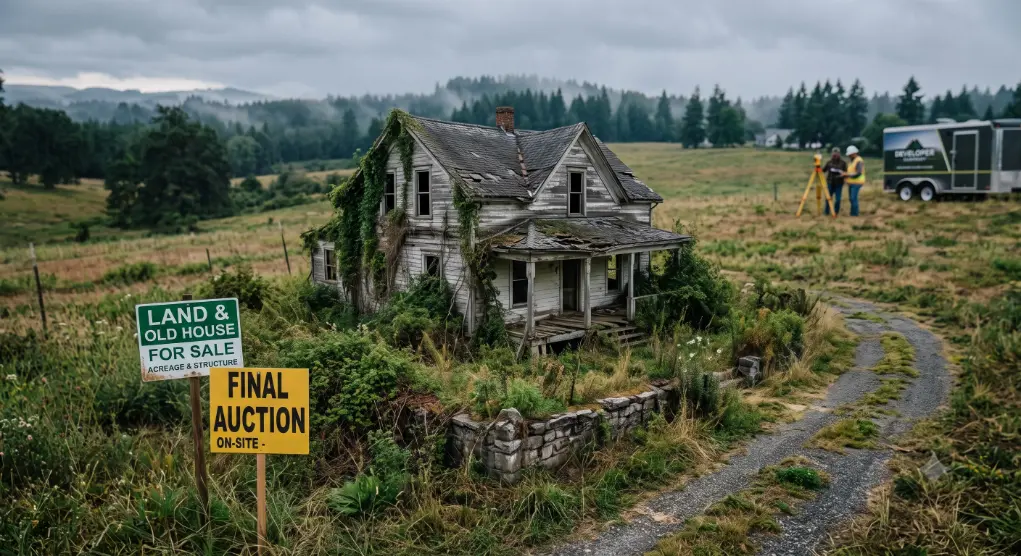
How Do I Sell My Land to a Developer?
If you’re asking How Do I Sell My Land to a Developer?, following 8 steps approach can improve your chances of receiving competitive offers.
Step 1: Understand Your Property’s Potential
If you’re wondering, “How Do I Sell My Land to a Developer?” start by researching your property’s zoning, future land-use plans, and local development trends. County planning departments often publish information about upcoming infrastructure improvements and planned growth areas. Knowing these details helps you present your property as a valuable development opportunity rather than simply marketing it as vacant land.
Step 2: Organize Important Documents
Developers usually request detailed information before making an offer. Having your paperwork ready creates a smoother transaction.
Prepare documents such as:
- Property deed
- Land survey
- Tax records
- Zoning information
- Utility details
- Title documents
- Environmental reports, if available
Being organized also demonstrates that you’re ready to move forward with the sale.
Step 3: Determine a Fair Market Value
Land value depends on much more than acreage. Developers consider factors such as development costs, future demand, infrastructure, and the property’s highest and best use.Review recent land sales in your local market or seek guidance from a land valuation professional before setting an asking price.
Step 4: Find the Right Developers
If you’re asking, “How Do I Sell My Land to a Developer?” finding the right developer is just as important as preparing your property. Not every developer is interested in every type of land. Some specialize in residential communities, while others focus on retail centers, industrial projects, or mixed-use developments. Research companies that are actively building in your region and contact those whose projects align with your property’s development potential.
Step 5: Showcase Your Property
Create a professional property package that highlights key details, including:
- Parcel size
- Property location
- Zoning classification
- Road access
- Utility availability
- Nearby developments
- Maps and current photographs
A well-prepared presentation helps developers evaluate your property more efficiently.
Step 6: Evaluate Every Offer Carefully
An attractive purchase price is important, but it shouldn’t be your only consideration. Developer contracts often include inspection periods, environmental studies, financing conditions, or rezoning contingencies.
Review each term carefully before accepting an offer.
Step 7: Complete the Due Diligence Process
Before finalizing the purchase, developers usually perform several investigations, including title verification, soil testing, surveys, environmental reviews, and utility confirmation.
Responding quickly to document requests can help avoid unnecessary delays.
Step 8: Finalize the Sale
After all conditions have been satisfied, you’ll attend the closing, sign the required legal documents, transfer ownership, and receive payment according to the agreement.
Also Read: sell my land
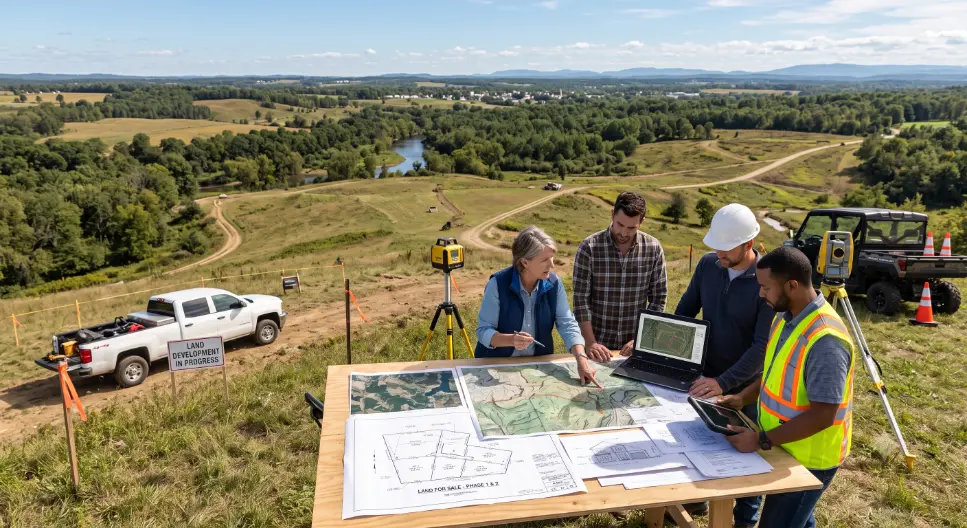
How Developers Decide What Your Land Is Worth
Developers estimate value by considering several factors instead of focusing only on acreage.
These typically include:
- Existing and future zoning
- Development opportunities
- Population and economic growth
- Infrastructure availability
- Demand for housing or commercial space
- Environmental restrictions
- Comparable land sales
- Estimated development costs
- Expected return on investment
Land located in fast-growing communities often commands higher prices because of its future potential.
Benefits of Selling to a Developer
Selling directly to a developer can provide several advantages:
- Opportunity to receive a competitive offer
- Potential for a faster transaction
- Buyers with experience in land purchases
- Flexible closing schedules
- Less time spent marketing the property
- Possibility of selling larger parcels in a single transaction
Challenges to Keep in Mind
Selling to a developer can also involve additional steps.
You may experience:
- Longer negotiation periods
- Detailed property inspections
- Environmental evaluations
- Rezoning discussions
- Financing or permitting delays
Understanding these possibilities helps you prepare for a smoother experience.
Tips for Getting the Best Price
To improve your negotiating position:
- Learn about local growth and development trends.
- Gather all property records before marketing your land.
- Know your property’s strengths and limitations.
- Compare offers instead of accepting the first proposal.
- Seek legal advice before signing contracts.
- Highlight valuable features such as utilities, road frontage, and development potential.
Common Mistakes to Avoid
Many landowners asking, “How Do I Sell My Land to a Developer?” reduce their chances of success by making avoidable mistakes.
- Try to aSetting an unrealistic asking price
- Ignoring zoning regulations
- Accepting the first offer too quickly
- Failing to disclose known issues
- Overlooking contract details
Also Read: Sell My Land Wyoming
Conclusion
If you’ve been asking How Do I Sell My Land to a Developer?, the best approach is to prepare before entering negotiations. Understanding your property’s development potential, organizing your paperwork, researching the market, and carefully reviewing offers can put you in a stronger position.
Whether your property is vacant land, inherited acreage, or an investment parcel, selling to the right developer could unlock its full value. With the right planning and informed decisions, you can complete the process confidently and maximize your return.
Frequently Asked Questions
1. Can I sell my land directly to a developer?
Yes. Many developers purchase land directly from property owners without requiring the land to be publicly listed. If you’re asking, “How Do I Sell My Land to a Developer?”, you can begin by researching developers that are actively buying land in your area. Understanding “How Do I Sell My Land to a Developer?” also means preparing your documents and knowing your property’s market value before negotiations begin.
2. How do developers calculate land value?
Developers evaluate several factors, including zoning, location, infrastructure, market demand, development costs, and future investment potential. If you’ve been wondering, “How Do I Sell My Land to a Developer?”, understanding these factors can help you negotiate a fair price. Learning “How Do I Sell My Land to a Developer?” starts with knowing what makes your property valuable.
3. Do I need a real estate agent?
Not necessarily. Many landowners sell directly to developers, while others choose to work with a real estate professional or attorney for additional guidance. If your question is “How Do I Sell My Land to a Developer?”, the answer depends on your experience and comfort level with negotiations. Knowing “How Do I Sell My Land to a Developer?” can help you decide whether professional assistance is right for you.
4. Can I negotiate the purchase agreement?
Absolutely. Purchase price, contingencies, inspection periods, and closing dates are often negotiable. When asking “How Do I Sell My Land to a Developer?”, remember that every part of the agreement can affect the final outcome. Understanding “How Do I Sell My Land to a Developer?” includes reviewing the contract carefully before signing.
5. How long does the process usually take?
The timeline varies depending on the property’s location, due diligence requirements, financing, and local approvals. Some sales close within a few weeks, while others may take several months. If you’re asking “How Do I Sell My Land to a Developer?”, staying organized and responding quickly to document requests can help move the process forward. By understanding “How Do I Sell My Land to a Developer?”, you’ll be better prepared for each stage of the transaction.
Also Read: How Do I Sell My Land Without a Realtor?