
It can be very challenging financially when carrying around high-interest debts. This is because such debts will compound through the interest rate and can become very burdensome to pay. If you have any property that is sitting idle on your hands, you could be wondering: should I sell my land to pay off debt?
However, land is a non-liquid asset since it generates income only when it is being leased or developed. Liquidating unused land for debt elimination is a good strategy if done properly, but one needs to carefully consider the finances involved.
Table of Contents
Quick Comparison: Selling Land vs. Keeping Land Under Debt
| Factor | Selling Your Land to Repay Debt | Keeping Your Land & Managing Debt |
| Immediate Cash Flow | High – Lumpsum payout eliminates or reduces liabilities immediately. | Low – No immediate liquidity; debt continues to accrue interest. |
| Monthly Expenses | Decreases – Eliminates property taxes, maintenance, and debt payments. | Static/Increasing – Ongoing tax payments, maintenance, and interest charges. |
| Financial Relief | High – Instant reduction in debt-to-income (DTI) ratio. | Variable – Depends on income and debt restructuring capabilities. |
| Future Value Realization | Forfeited – Miss out on future land appreciation or development potential. | Retained – Land continues to build equity over time. |
| Closing Timeframe | Fast with cash land buyers (10–30 days); slower on the retail market. | Ongoing debt repayment schedule (months to years). |
Is Selling Land to Pay Off Debt the Right Decision for You?
When evaluating whether should I sell my land to pay off debt, the decision largely depends on the type of debt you carry and the carrying costs of your property.
Here are the key factors you should consider before making a choice:
1. High-Interest Debt vs. Land Holding Costs
If you are carrying high-interest credit card debt (often 18% to 29% APR), the interest you pay monthly far outweighs the average annual appreciation rate of unimproved land. In this scenario, the financial burden of keeping the debt exceeds the long-term value of holding the property. When clients ask financial advisors, “should I sell my land to pay off debt?”, the math usually points to selling when high-interest rates are involved.
2. Back Taxes and Property Liens
Failure to meet deadlines for property taxes may result in a lien being placed on the property, which could end up in the sale of tax deeds or foreclosure of your property. Selling your land ahead of time will give you an opportunity to get rid of the lien, maintain a good credit score, and make some profit out of the deal.
3. Costs of Owning Idling Property
Idling land is not a cost-free venture. Despite the absence of a mortgage, you have to incur:
- Property taxes annually
- HOA or POA fees
- Land cleaning, maintenance, and weed removal
- Liability insurance costs
Savings from these recurring costs, together with settling liabilities, is a dual benefit to your finances.

Pros and Cons of Selling Land to Clear Liabilities
If you are debating the “should I sell my land to pay off debt?” question, analyzing both the pros and cons may prove to be very useful.
Pros
- Financial Relief: The repayment of outstanding balances means that your financial burdens will be greatly reduced.
- Improving Your Credit Score: By reducing the credit utilization ratio through the repayment of balances, you can immediately improve your credit score.
- No More Holding Costs: There would be no need to allocate funds towards property taxes, maintenance, and HOA fees anymore.
- Quick Money Options: The sale of land to cash buyers means you will be able to receive money in hand right away without having to pay real estate agent commissions or wait months for approval of financing.
Cons
- No More Future Appreciation: Land is a limited resource that usually appreciates over time.
- Capital Gains Tax Implications: Depending on the purchase price and duration of ownership, there might be capital gains taxes.
- Emotional Connection: If the land has any sentimental value, it might be hard to let it go.
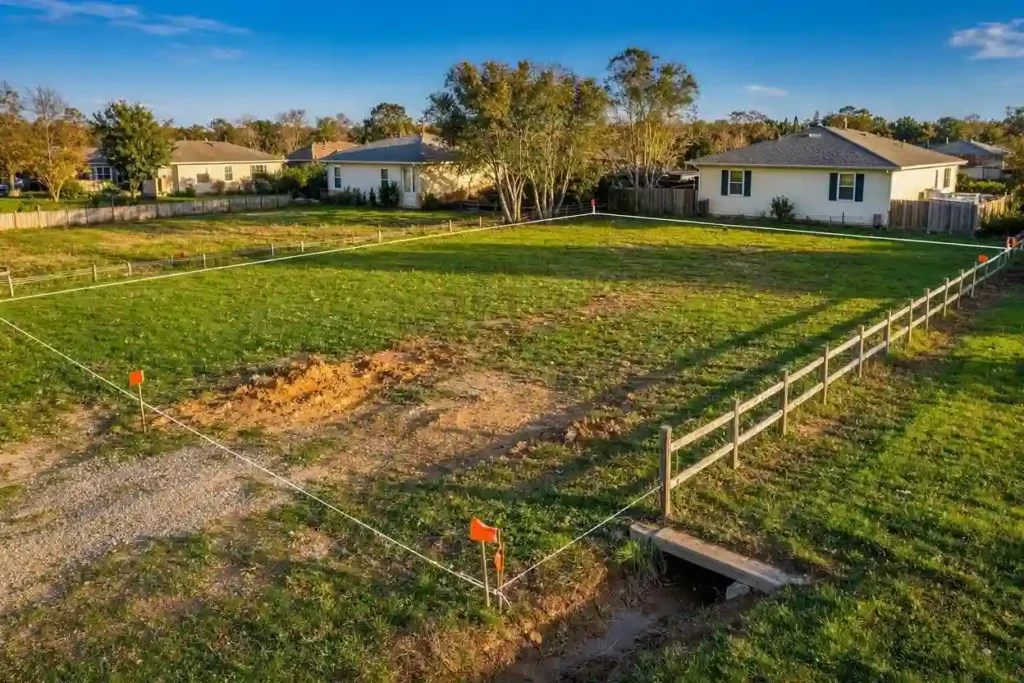
How to Sell Your Land Quickly for Debt Relief
If you evaluate your financial situation and conclude, “should I sell my land to pay off debt? Yes, it’s my best option,” you have two primary selling routes:
- Sell to a Direct Cash Land Buyer:
- Best for: Speed, eliminating fees, and selling land as-is (with tax liens or title issues).
- Timeline: Often closes within 7 to 21 days.
- Cost: No agent fees, closing costs are typically covered by the buyer.
- List with a Real Estate Broker:
- Best for: Maximizing market value if you have time to wait.
- Timeline: Vacant land can take 6 to 12+ months to sell on the open market.
- Cost: 6% to 10% agent commission, plus closing fees and holding costs during the listing period.
Alternatives to Selling Your Land
Should I Sell My Land to Pay Off Debt?
Before finalizing your decision, consider whether alternative solutions might work better for your situation:
- Land Refinancing or Equity Loan: Borrow against the equity of your land to consolidate high-interest debt into a single, lower-interest payment.
- Leasing the Property: Generate passive income by leasing your land for agricultural, hunting, storage, or solar energy uses.
- Debt Consolidation Plan: Work with a credit counseling agency to negotiate lower interest rates without liquidating real estate assets.
However, if monthly cash flow is tight and you cannot afford loan repayments, asking “should I sell my land to pay off debt?” remains the most practical question to explore.
Conclusion
Deciding “should I sell my land to pay off debt?” ultimately comes down to comparing the cost of carrying your liabilities against the benefits of holding your property. If high interest rates, back taxes, or monthly maintenance fees are putting a strain on your financial resources, selling your idle plot of land will give you the instant cash needed to become financially free once again.
If selling off your plot of land seems like the right choice for you, selling your plot directly to a land buyer will ensure that the process is quick and stress-free for you.
Frequently Asked Questions (FAQs)
1. Should I Sell My Land to Pay Off Debt?
Yes. When you sell property with a tax lien or mortgage, the owed amount is paid directly out of the sale proceeds at closing. You receive the remaining net cash balance once all liens are satisfied.
2. How does selling land to pay off debt affect my taxes?
If you have sold the land at a higher price than what you have paid for it, then capital gains tax would be due on that transaction. In addition, in case you have held that piece of land for over a year, lower capital gains rates will apply to the transaction.
3. Which is the best approach between selling land and borrowing to repay debts?
Getting into a personal loan brings in yet another debt liability to your name. In case your main concern is getting rid of financial burden and creating cash flow in your life, liquidation of a non-utilized asset would be the right approach.
4. How long does it take to get cash from selling land to pay off debt?
If you sell directly to a cash land buyer, closing typically takes 7 to 21 days, allowing you to pay off debt almost immediately. If you list through a real estate broker on the open market, finding a buyer and closing can take anywhere from 3 to 12 months.