
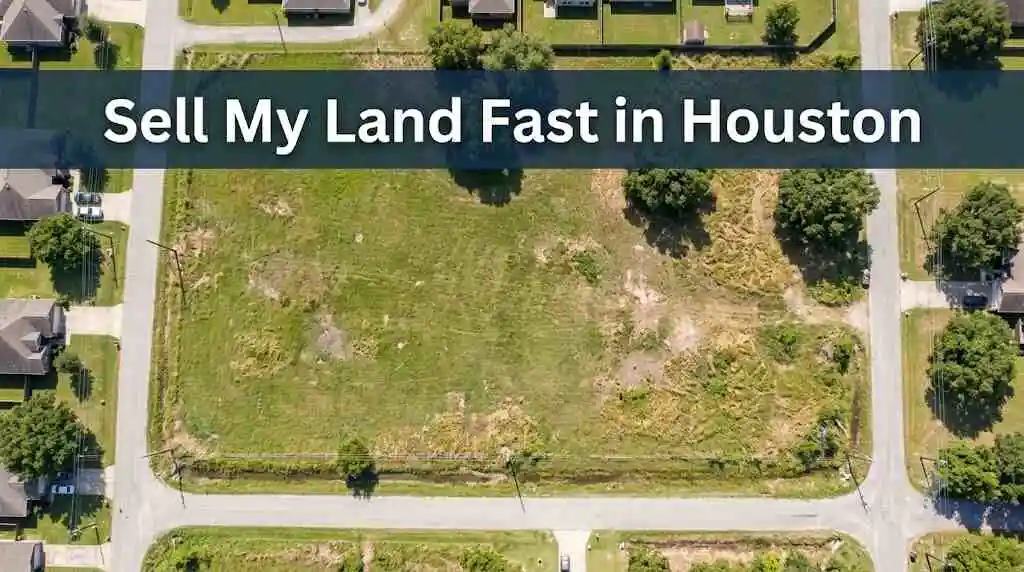
If you have typed “sell my land fast in Houston” into Google lately, you probably have a reason to move quickly. Maybe you inherited a lot you never planned to keep, the property taxes are piling up, or a better opportunity just showed up. Whatever the cause, raw land behaves very differently from a house, and the Houston market has its own quirks. This guide covers the paperwork, pricing, buyer options, and local traps so you can sell without rushing into a bad deal.
To sell land fast in Houston, confirm ownership and clear title, check flood status, agricultural tax status and deed restrictions, price from recent nearby sales, and compare a cash offer with a land-focused agent. Close through a Texas title company. Cash buyers close fastest, usually at a discount to market value.
Key Takeaways
- A quick land sale in Houston depends more on clean title and paperwork than on marketing.
- Cash buyers close fastest, but their offers usually come in below what a patient, well-marketed sale can bring.
- Flood risk, agricultural tax status, and deed restrictions are the Houston-area issues most likely to slow a deal.
- Houston land buyers check flood history and access first, so answer those questions before they ask.
- Deed fraud and fake buyers target vacant land, so verify every buyer and close through a reputable title company.
- Most land sells as-is, so put your effort into paperwork and a few low-cost prep steps instead of expensive improvements.
- Talk to a tax professional early, because federal capital gains and possible rollback taxes change what you actually keep.
What It Takes to Sell My Land Fast in Houston
Vacant land is a slower product than a finished home. There is no staging and no kitchen to walk through, and the buyer pool is smaller. Buyers are builders, investors, farmers, and families planning to build, and most of them do real homework before they commit.
In practice, a well-prepared lot with a clear title can sometimes go under contract within weeks, especially if you sell land for cash in Houston to an investor. A parcel with unresolved ownership questions, floodplain issues, or an unrealistic price can sit for many months. Two sellers with similar land can end up with very different timelines, and the difference is almost always preparation.
So the real question behind “sell my land fast in Houston” is not whether you can sell quickly. It is how much price you are willing to trade for speed, and what you can fix before you list.
Get Your Paperwork in Order First
Clean paperwork is the biggest speed lever behind any “sell my land fast in Houston” plan. Buyers and title companies will check the same things, so check them first.
- Deed and legal description: Confirm the name on the deed matches the person selling. If an owner has died, you may need probate or an affidavit of heirship before anyone can sign.
- Liens and back taxes: Unpaid property taxes, old loans, and contractor liens must be cleared at or before closing.
- Mineral rights: In Texas, mineral rights can be separated from the surface. Find out whether you own them and whether a past deed reserved them.
- Survey: An older or missing property survey raises questions about boundaries and access. Ordering a fresh one early prevents last-minute delays.
- Easements and access: Confirm there is legal access to a public road, and note any utility or pipeline easements.
A local title company can run a title search before you list. That shows problems while you still have time to fix them, and it costs far less than losing a buyer in week three.
If you plan to sell vacant land in Houston that came through an estate, start the probate or heirship work right away. Nothing else can move until ownership is settled.
Price It Using Real Numbers, Not Hope
Pricing is where most “sell my land fast in Houston” plans quietly fall apart. The Harris County Appraisal District sets values for tax purposes, and those figures are a starting point, not a price tag. They often lag the real market in both directions.
A better approach is to study recent sales of similar vacant parcels nearby. Compare size, road frontage, utility access, flood zone, and distance from growth corridors. Acreage in a fast-developing area can be worth far more than a similar lot twenty minutes away.
If you want a quick land sale in Houston, price near the lower-middle of your range. Land that is priced well gets attention in the first couple of weeks. Land that is overpriced tends to sit, then sells for less after months of price cuts.
Selling As-Is: Do You Need to Clear the Land First?
Short answer: no. Most vacant land sells as-is, and buyers shopping for acreage or a lot usually expect to see it in its natural state. Spending thousands on landscaping or fencing rarely comes back in the sale price.
Still, a few low-cost steps can shorten your time on the market and keep buyers from walking away:
- Remove trash and dumped debris: Illegal dumping is common on empty lots, and a littered parcel looks neglected.
- Mark the boundaries: Visible stakes or flagging tape show buyers exactly what they are getting.
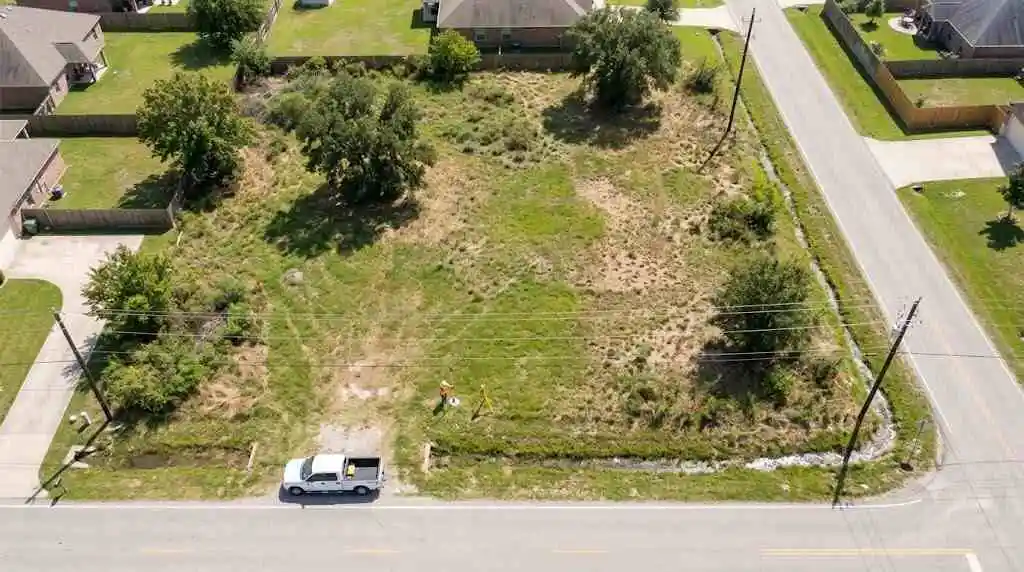
- Take clear photos: Drone shots show size, tree cover, road frontage, and neighboring land far better than ground-level pictures.
- Prepare a one-page fact sheet: List the acreage, parcel number, road access, nearby utilities, flood zone, tax status, and any deed restrictions.
- Skip the big projects: New fencing, heavy clearing, or fill dirt can cost more than they add.
Selling as-is does not mean hiding problems. If you know about a drainage issue, an old septic tank, or a neighbor’s fence crossing the line, disclose it. A surprise found later usually costs more than honesty now.
Your Main Ways to Sell Land and What Each Costs You
Every route toward a “sell my land fast in Houston” goal trades speed against price. Here is how the common options compare.
| Option | Typical speed | Price outlook | Best when |
| Cash buyer or land investor | Fastest, often a few weeks | Usually below market | You need certainty and a quick close |
| Land-focused real estate agent | Moderate, weeks to months | Closer to market value | You want a stronger price and can wait a bit |
| Auction | Set by the auction date | Varies widely | The land is unusual or hard to price |
| Owner financing | Can attract buyers quickly | Often full price, paid over time | You can wait for your money |
If you want to sell land for cash in Houston, ask for written proof of funds and a short list of past closings. A legitimate cash buyer will share both without fuss. Earnest money should go to a title company, not to you and not to an unknown account.
Working with an agent who actually handles land is worth the extra step. Houston land buyers look for listings that explain access, utilities, flood status, and deed restrictions clearly, and many general agents skip those details.
Owner financing widens your buyer pool, but it adds legal duties and real risk if the buyer stops paying. Get a real estate attorney involved before you offer it. Whichever route you choose, collect at least two offers or opinions, because even one comparison shows whether a quote is fair.
Cash buyer vs. agent listing, side by side
| Factor | Cash buyer | Agent listing |
| Time to close | Often days to a few weeks | Often several weeks to months |
| Commission | Usually none, though the price may be lower | Typically paid by the seller and negotiable |
| Price | Often below market value | Closer to market value |
| Prep work | Minimal, since buyers purchase as-is | Better presentation helps |
| Certainty | High once funds are verified | Depends on the buyer’s financing |
| Control | Quick decision with little negotiation | More exposure and more negotiation |
Pros and cons of selling to a cash buyer
- Pros: Speed, fewer contingencies, no financing delays, and little prep work.
- Cons: Offers can come in under market value, reliability varies from buyer to buyer, and a rushed contract can hide unfavorable terms.
If a cash offer looks low, ask how the buyer arrived at the number. Then compare it with recent sales and at least one other offer.
Where to List Your Land If You Sell It Yourself
You do not have to hand the sale to anyone. Plenty of owners list their own parcels, and choosing the right channels makes a real difference.
- Land-focused listing sites: Sites such as LandWatch and Land.com attract buyers who are specifically shopping for acreage and lots.
- The MLS: A flat-fee or traditional agent can put your parcel in front of builders and agents who watch the feed.
- Facebook Marketplace and local groups: Free, and useful for reaching nearby buyers.
- A sign on the road frontage: Simple, cheap, and effective for rural parcels.
- Neighbors and local builders: Adjoining owners often want extra land, and builders keep lists of lots they would buy.
Demand also shifts across the metro. A lot in Katy, Sugar Land, Cypress, or Pearland draws different buyers than acreage in Conroe, Tomball, or rural Brazoria County, so describe the surroundings and nearby growth in your listing. Parcels in Harris, Fort Bend, Montgomery, and Brazoria counties each fall under their own appraisal district and tax office, so check which one applies to you.
Selling Land in Tough Situations
A complicated situation does not make a sale impossible. It just adds steps.
Inherited land
Ownership has to be settled first. Depending on the estate, that can mean probate or an affidavit of heirship, and every heir with an ownership interest usually has to agree to sell. An attorney can tell you who has the legal authority to sign.
Back taxes and liens
Unpaid taxes and liens do not block a sale. They are typically paid from the proceeds at closing, using payoff figures from the county tax office and each lienholder. Penalties and interest keep growing while you wait, so request those numbers early.
Divorce or co-owners
Every owner on the deed generally has to sign. If co-owners disagree, or a divorce decree controls the property, you may need a court order or an attorney to move the sale forward.
Land with no road access
Landlocked parcels are harder to sell because buyers need legal access. Look for an existing easement, or ask a neighbor about creating one. Without access, your realistic buyers are often adjoining owners or investors, and the price reflects that.
Houston Issues That Can Slow Your Sale
Local issues can derail a “sell my land fast in Houston” timeline, and buyers know it. Handle them before they surface in due diligence.
Flooding and drainage
After Hurricane Harvey, flood history matters to Houston land buyers more than almost anything else. Check your parcel on the FEMA flood maps and look at drainage information from the Harris County Flood Control District. If the land sits in a floodplain, say so upfront. Buyers will find out anyway, and a late discovery is a common reason deals die.
Agricultural tax status
Many rural parcels around Houston are taxed on agricultural value, which is much lower than market value. When the use changes to something non-agricultural, Texas can bill rollback taxes. That bill is the difference between what was paid and what would have been paid at market value, for up to three prior years. Since 2021, interest applies only if the bill goes delinquent.
Depending on the contract and the timing, either side can end up owing it. The Texas Comptroller explains these bills on its property tax pages, and you should settle who pays in writing before you sign.
Deed restrictions, MUDs, and HOAs
Houston has no traditional zoning, so private deed restrictions do much of the work that zoning does elsewhere. Buyers will want to read them. If your land sits inside a municipal utility district, Texas law requires a specific notice to the buyer, and your title company can help with the form. Unpaid HOA dues also have to be settled at closing.
Watch Out for Scams and Lowball Offers
Scammers know that people who search “sell my land fast in Houston” are often in a hurry. Vacant land is a favorite target because nobody lives there to notice when something is off.
Deed fraud is a real problem in Harris County. Fraudsters have forged deeds on vacant lots and even tried to list them with real agents. The Harris County Clerk has announced a free Property Alert System that notifies owners when a document is recorded under their name. Check the clerk’s website to see whether enrollment is open, and keep in mind it is an alert, not a lock.
Watch for these red flags:
- Pressure to sign within a day or two.
- A buyer who refuses to use a title company or wants to skip one.
- Upfront fees, or wire instructions sent by email at the last minute.
- An offer far above or below your land’s value with no explanation.
Call the title company on a number you found yourself before wiring money or sharing documents. One phone call has stopped many wire fraud attempts.
Taxes and Costs You Should Expect
Taxes rarely get attention until closing day, yet they decide how much you keep. Texas has no state income tax on personal income, which helps. Federal tax still applies, though. If you held the land for more than a year, profit is usually taxed at long-term rates, which are lower than ordinary rates. The IRS capital gains rules also explain how your basis is calculated, meaning what you paid plus certain improvements.
Inherited land is often treated differently for basis purposes, so mention that to your CPA. Beyond tax, plan for these closing costs:
- Agent commission: Only if you use one, and it is negotiable.
- Owner’s title policy: Who pays depends on the contract, and in Texas it is often the seller.
- Survey: Needed if the contract says you must provide a current one.
- Property taxes: Prorated up to the closing date.
- Payoffs: Any back taxes, liens, or rollback taxes discussed above.
Ask your title company for a rough net sheet early. Seeing what you will actually walk away with helps you judge every offer more clearly. Then run the numbers by a CPA, because an inheritance, a long holding period, or a partial sale can change the math.
A Practical Plan to Sell My Land Fast in Houston
A quick land sale in Houston usually follows a sequence like this one, which keeps the process tight without cutting corners.
- Confirm who owns the land and gather the deed, survey, and tax statements.
- Order a title search and clear any liens or heirship issues.
- Check flood status, agricultural valuation, deed restrictions, and mineral rights.
- Study recent comparable sales and set a realistic price.
- Do the low-cost prep: remove debris, mark the boundaries, and take drone photos.
- Choose your route: cash buyer, land agent, auction, or owner financing.
- Collect at least two offers and verify each buyer’s funds.
- Sign a clear contract, open escrow at a reputable title company, and track every deadline.
- Close, confirm the deed was recorded, and keep your paperwork for tax time.
Most delays come from the first three steps, so spending a week there can save a month later.
Common Mistakes That Cost Sellers Time and Money
Most sellers who search “sell my land fast in Houston” make at least one of these mistakes:
- Listing before checking the title, then finding a lien mid-contract.
- Accepting the first cash offer without comparing it to anything.
- Hiding flood or access problems that surface during due diligence.
- Ignoring rollback taxes until closing.
- Using a generic home listing with no details on utilities, access, or acreage.
- Signing without a real estate attorney or title company reviewing the contract.
Frequently Asked Questions
How can I sell my land fast in Houston?
Prepare the paperwork first, price the land using recent nearby sales, and talk to a cash buyer and a land-savvy agent at the same time. A cash sale with a clean title can close in a few weeks, while a traditional listing often takes months. Cash buyers close the fastest, but an agent usually brings a better price, so use both as comparison points.
Can I sell land in Texas without a realtor?
Yes. Texas does not require you to use an agent to sell your own property, so you can sell vacant land in Houston on your own. You will still want a title company to handle closing and an attorney to review the contract, because easements, mineral rights, and boundaries carry real weight on raw land.
Can I sell land in Houston if I owe back taxes?
Yes. Unpaid property taxes and liens are usually paid from the sale proceeds at closing, so you do not need to settle them first. Ask the county tax office and your title company for payoff figures, because penalties and interest keep growing the longer the balance sits.
Who buys land for cash in Houston?
Houston land buyers who pay cash include investors, developers, builders, and some local land companies. Ask for proof of funds, check their closing history, and make sure the money moves through a title company. If you want to sell land for cash in Houston, compare more than one offer before saying yes.
Do I pay taxes when I sell land in Texas?
Texas has no state personal income tax, but you may owe federal capital gains tax on your profit, and property taxes are prorated at closing. If the land had an agricultural valuation, rollback taxes may apply for up to three years. A CPA can tell you what applies to your sale.
Bottom Line
To sell my land fast in Houston without regret, fix the paperwork before you market it, price it from real sales, and compare at least two types of buyers. Speed comes from preparation, not pressure. Expect Houston-specific questions about flood risk, agricultural taxes, and deed restrictions, and answer them before buyers ask.
If you decide to sell vacant land in Houston to a cash buyer, verify the buyer and use a title company. If you want a higher price and can wait, a land-focused agent is usually the better fit. Either way, one conversation with a title company and a tax professional now can save you far more than it costs.