
If you’ve been wondering, “Can I sell my land to the bank?”, the answer may not be as straightforward as you expect. Many property owners assume banks purchase vacant land because they finance real estate transactions. In reality, banks rarely buy land directly from individuals. Understanding how banks handle real estate can help you choose the best option for selling your property.Many landowners wonder whether a bank will purchase their vacant land, especially if they’re facing financial difficulties, inherited unwanted property, or simply want a fast and hassle-free sale. Since banks are closely involved in real estate financing, it’s easy to assume they also buy land directly from property owners.
Key Takeaways
- Banks generally do not purchase vacant land directly from private owners.
- Banks usually acquire land only through foreclosure or similar legal processes.
- Cash buyers, developers, and real estate agents are often better selling options.
- Preparing your documents and pricing your land correctly improves your chances of a successful sale.
The short answer is usually no. In the United States, banks are lenders—not real estate investors. Their primary role is to provide loans for purchasing property rather than buying land from private owners. However, there are a few situations where a bank may end up owning land, and understanding those circumstances can help you choose the best path for selling your property.
This guide explains how banks handle land ownership, why they typically don’t buy vacant land, and the best alternatives if you’re ready to sell.
Also Read: How Do I Sell My Land Without a Realtor?
Can I Sell My Land to the Bank?
In most cases, you cannot sell your land directly to the bank. Banks are financial institutions that make money by lending funds to borrowers and collecting interest over time. Purchasing private land isn’t part of their normal business model.
When someone searches “can I sell my land to the bank,” they often hope for a quick buyer who has the financial resources to complete the purchase. Unfortunately, banks generally won’t buy vacant land simply because it’s available for sale.
Instead, they may finance another buyer’s purchase if that buyer qualifies for a loan. This means the bank supports the transaction rather than becoming the buyer itself.
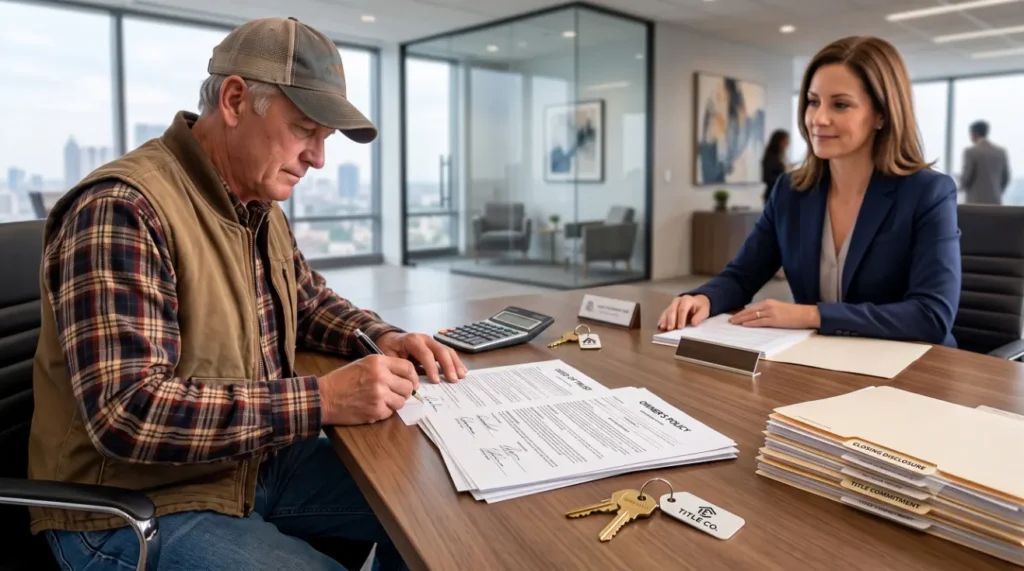
Why Don’t Banks Buy Private Land?
There are several reasons why banks avoid purchasing land directly from owners.Banks Focus on Lending
- Banks exist to provide mortgages, land loans, construction loans, and other financial products. Buying and managing land would require additional resources, maintenance costs, and market risks that fall outside their primary business.
- Vacant Land Can Be Risky
- Unlike residential homes, vacant land often takes longer to sell and may not generate any income while it’s being held. Property taxes, maintenance, and changing market conditions make land ownership less attractive for financial institutions.
- Banks Already Manage Foreclosed Properties
- Banks occasionally acquire properties after foreclosure, and managing those assets is already expensive. Purchasing additional land voluntarily usually doesn’t align with their business objectives.
When Can a Bank Own Your Land?
Although banks generally don’t purchase land directly, they may become the owner under certain legal circumstances.
1.Foreclosure
If you financed your land purchase through a loan and stop making payments, the lender may eventually begin the foreclosure process. If the foreclosure is completed, the bank can take ownership of the property.
2.Deed in Lieu of Foreclosure
In some situations, a lender may agree to accept ownership of the land voluntarily through a deed in lieu of foreclosure. This option may help both parties avoid a lengthy legal process, but it requires the lender’s approval.
3.Loan Settlement
If you’re struggling financially, your lender may discuss repayment options, loan modifications, or other settlement arrangements before foreclosure becomes necessary. Every lender has different policies, so contacting them early is always recommended.
What Should You Do If You Still Owe the Bank?
wondering, How to Sell My Land Myself?, start by understanding your financial obligations before listing the property.
The first step is determining how much remains on your loan. If your land is worth more than the remaining balance, you can sell the property and use the sale proceeds to pay off the loan.
If the property’s value is lower than what you owe, speak with your lender immediately. They may discuss possible solutions before the situation becomes more complicated.
Open communication is often the best way to protect your financial future while successfully learning How to Sell My Land Myself?
Better Alternatives to Selling Your Land to a Bank
Since the answer to “can I sell my land to the bank” is generally no, consider these alternatives instead.
- Sell to a Cash Land Buyer
Cash land buyers purchase vacant land without requiring mortgage financing. Many can close within days or weeks, making this one of the fastest selling options.
- List With a Real Estate Agent
An experienced land agent can market your property, negotiate offers, and help you reach buyers willing to pay market value.
- Sell Directly to a Developer
If your property is located in a growing area, developers may be interested in purchasing it for future residential or commercial projects.
- Contact Neighboring Property Owners
Adjacent landowners often look for opportunities to expand their property. Since they already know the area, negotiations can sometimes move quickly.
- Advertise Your Property Online
Listing your land on reputable real estate websites, land marketplaces, and social media platforms can significantly increase your property’s visibility.
How to Sell Your Land Successfully
Whether you own rural acreage or a small vacant lot, following a structured process can help you sell more efficiently.
How to Sell Your Land Successfully
If you’ve been asking, “Can I Sell My Land to the Bank?”, remember that banks typically don’t purchase land directly. Instead, follow these steps to sell your property through the right buyer.
Determine Your Property Value
Research recent sales of comparable land in your area or hire a professional appraiser to estimate your property’s fair market value. Knowing its value helps you set a competitive asking price.
Prepare Important Documents
Gather your property deed, tax records, survey information, title documents, and any zoning details buyers may request. Having these ready can speed up the selling process.
Improve Your Listing
Use high-quality photographs, write a clear property description, and highlight your land’s best features to attract serious buyers.
Market Your Property
Since the answer to “Can I Sell My Land to the Bank?” is generally no, market your land through online listings, local advertising, land-buying companies, and real estate professionals to reach qualified buyers.
Negotiate Carefully
Compare multiple offers instead of accepting the first one. Evaluate both the purchase price and the proposed closing timeline before making your decision.
Complete the Closing Process
After accepting an offer, work with a title company or real estate attorney to complete the paperwork and finalize the sale according to your state’s legal requirements.
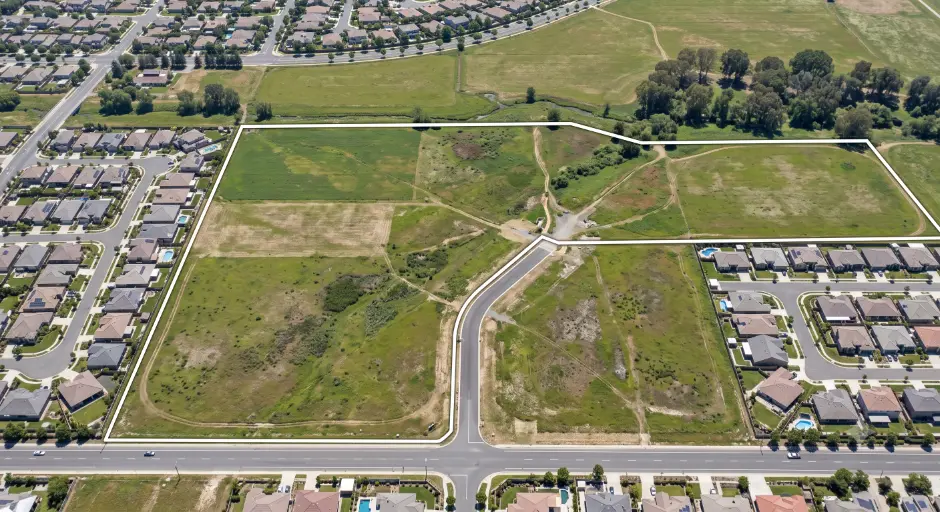
Common Mistakes to Avoid
Many landowners make simple mistakes that can delay or reduce the value of their sale.
- Assuming banks buy vacant land directly.
- Waiting until foreclosure begins before seeking help.
- Pricing the property too high without market research.
- Failing to disclose important property information.
- Ignoring outstanding taxes or title issues.
- Accepting the first offer without comparing other opportunities.
Avoiding these mistakes can make your selling experience much smoother!
Also Read: Sell My Land Wyoming
Final Thoughts
So, can I sell my land to the bank? In most situations, the answer is no. Banks are financial institutions that specialize in lending money rather than purchasing vacant land from private owners. They usually become property owners only through foreclosure or other legal processes related to unpaid loans.
If your goal is to sell quickly, you’ll likely have better success working with cash land buyers, developers, real estate agents, or private investors. By understanding how banks operate and exploring the right selling options, you can make informed decisions and complete your land sale with confidence.
buyer is often the quickest option because financing approval is usually unnecessary, allowing for a faster closing process.
Frequently Asked Questions
1. Can I sell my land to the bank if I still have a loan?
In most cases, you cannot sell your land to the bank directly, even if you still have a loan. However, you can sell the property to another buyer and use the proceeds to pay off your remaining loan balance.
2. Why don’t banks buy vacant land?
Banks primarily make money by providing loans, not by purchasing and holding real estate investments. This is why the answer to “Can I sell my land to the bank?” is generally no.
3. What happens if I stop making payments on my land loan?
If payments remain unpaid, your lender may eventually begin foreclosure proceedings, which could result in the bank taking ownership of the property.
4. Who is most likely to buy my land?
Cash land buyers, developers, neighboring landowners, investors, and individuals looking to build are among the most common buyers if you’re unable to sell your land to a bank.
5. What is the fastest way to sell vacant land?
Selling to a reputable cash land buyer is often the fastest option because financing approval isn’t required, allowing the sale to close more quickly than a traditional transaction.
6. Can a bank buy my land under any circumstances?
A bank may take ownership of your land through foreclosure or a deed in lieu of foreclosure, but it typically does not purchase land directly from private owners.
7. Can I give my land to the bank instead of going through foreclosure?
Some lenders may accept a deed in lieu of foreclosure if you qualify, but approval is entirely at the bank’s discretion and depends on your loan and property.
8. What are the best alternatives if a bank won’t buy my land?
You can sell your land to cash buyers, real estate investors, developers, neighboring property owners, or list it with a real estate agent to reach a wider pool of buyers.
9. Will selling my land affect my mortgage or land loan?
If your land is financed, the loan must typically be paid off at closing. Any remaining proceeds belong to you after satisfying the outstanding balance and closing costs.
10. How can I sell my land quickly in the USA?
To sell your land faster, price it competitively, prepare the necessary documents, use quality photos, market it online, and consider accepting offers from reputable cash land buyers.